
Somatic Seasoning
Discover your Culinary Ritual
How our sensory interaction with Food through Scent, Sound, Colour, and Presence bring deeper awareness into what and how we consume & Create our State of Being
The word “somatic” comes from the Greek soma, meaning body. In therapeutic and body‑awareness practices, it refers to internal bodily sensation, physical awareness, and how our body experiences influence emotions and perception. In the context of this page, we use “somatic” as a metaphorical concept: connecting sensory experience with body awareness and designed to support sensory engagement and self‑awareness through mindful, intentional engagement with food and environment.
In cooking, seasoning traditionally refers to enhancing flavour with herbs, spices, salt, or other ingredients. Here, we extend the concept metaphorically — treating sensory attention, ritual, and environment as a type of “seasoning” for experience. This is not a standard culinary definition, but rather a creative framework for exploring mindful sensory engagement with food.
The practice of “somatic seasoning” is a conceptual framework rather than an established culinary or scientific term. It blends mindful sensory awareness, ritual, and body‑felt experience to enhance how we perceive and interact with food and environment. However this goes further as industry leaders have validated, tracked and designed scents to intentionally stimulate emotions of wellbeing designed around mood & sleep in a drive to improve our daily wellbeing through out daily products.
Research in gastrophysics, neuroscience, and somatic psychology shows that taste, smell, texture, sound, and environment. Many people find these experiences supportive for cultivating present-moment awareness, curiosity, and reflection. Somatic seasoning draws on these ideas to explore how intentional sensory engagement can enhance presence, awareness, and enjoyment, while encompassing individual experience.
Disclaimer
While somatic seasoning can enhance awareness and sensory experience, this is a complementary, creative practice intended to deliver personal experiences and restore calm. This is not a replacement for professional medical or psychological advice. Experiences may vary, and the practice should be approached with mindful self‑care.

Somatic Seasoning Is Already Directing Your Attention
Before we speak about healing, ritual, or conscious practice, it’s important to recognise something quietly true:
Somatic seasoning is already shaping your sensory experience every day.
We experience it in cafés, supermarkets, spas, workplaces, films, advertising, and social media. Our sense of comfort, urgency, trust, pleasure, or safety is constantly influenced by subtle combinations of taste, sound, colour, scent, and language.
This is not accidental. It is designed.
Coffee shops use warm lighting, low-tempo music, and roasted aromas to signal pause and belonging.
Luxury brands rely on dark colours, slow pacing, and rich textures to evoke trust and desire.
Fast-food environments use bright reds and yellows, high-tempo sound, salt, and sugar to increase arousal and impulse.
In each case, the body responds before conscious thought.
Somatic seasoning is simply a conceptual name for this process — whether it is being used on us or by us. Perhaps take a moment to think on brands you just adore or restraints that left an imprinted experience which instils positive emotion.
For me- Maison Margiela Replica, Lazy Sunday Morning I adore, the brand I connect easily through their memory & dream based fragrances.
Check out this clips below to explore the power of our senses linked to our experience and decisions
From Consumer Design to Body Felt Literacy
Before this work became personal, it was professional.
I worked within a global corporation in a culinary and sensory department, where my role sat at the intersection of food, flavour, perception, language, and experience design. I saw how carefully orchestrated sensory inputs could reliably shape emotional state, memory, and choice often without the consumer ever realising it.
Every detail mattered:
- how flavour unfolded over time
- how texture changed perception
- how colour primed expectation
- how language shaped experience before the first bite
What fascinated me intently is the sharp responsiveness and how exquisitely the body listens to these cross-modal interactions.
Over time, a deeper question emerged:
If these tools are powerful enough to shape desire and behaviour, why aren’t we taught to use them for our own regulation, connection, and wellbeing?
Somatic seasoning a concept, a reclaiming of that knowledge — bringing it back into the body, into agency, and into care.

Why “Relax” Often Doesn’t Work (Even in Beautiful Spaces)
Many stressed people recognise this experience:
You are in a spa, surrounded by calming music and scent and yet your body won’t relax.
This is not resistance. It is physiology.
Under chronic stress, we may be operating from:
- sympathetic dominance (hypervigilance, anxiety, restlessness)
- or dorsal vagal shutdown (numbness, collapse, disconnection)
In these states, cues associated with slowing down can feel unfamiliar or even unsafe. The body does not yet trust stillness.
Perhaps relaxation is not a command.
There for could it be a sequence.
This is why Reiki and somatic seasoning could potentially work so effectively: this approach engages sensory pathways and embodied awareness, connecting sensation with attention and presence without instruction.

Attention and somatic experience
We often think attention is something the mind chooses. Neuroscience could tell a different story.
Attention is reported to be strongly influenced by the autonomic system, which continuously monitors cues of safety, threat, familiarity, novelty, connection, and isolation.
Before we think, the body decides:
- whether to settle or mobilise
- whether to open or brace
- whether to digest or defend
Sensory input is how this decision is made.
- Taste anchors experience in the gut–brain axis
- Sound entrains rhythm, heart rate, and breath
- Smell accesses emotional memory
- Colour primes arousal or calm before cognition
- Language orients expectation and meaning

Eating, Listening, Being How Somatic Experiences Could Shift Presence
Mood Regulation
- Engaging through textures, flavours, and music can stimulate pleasure pathways (dopamine and endorphins).
- Mindful tasting and sensory focus help anchor attention, which can reduce rumination and foster present-moment awareness.
- Somatic practices can help reconnect body and mind, which is often disrupted through unsettled experience.
- Focused, mindful, and slow sensory experiences can provide safe bodily awareness, helping a person regulate emotional responses.
Mental Health Support
- These experiences are not a replacement for therapy or medical treatment, but can be complementary tools for mindfulness, grounding, and emotional regulation.
- Can support self-awareness, emotional literacy, and resilience through pleasurable, intentional, and structured sensory engagement.
Avoid using the practice as a sole coping mechanism, combine with therapy, counselling, or medical guidance if dealing with serious mental health issues.
Somatic experiences, such as mindful eating paired with music (sonic seasoning), engage the sensory system and music and flavour may engage areas involved in sensory integration and emotional response, with potential to promoting grounding, pleasure, and reflective awareness. Reiki and somatic practices could invite attention emotional nuance using gentle touch or energy-focused intention to support regulation, creating a calming, immersive, and emotionally resonant state. While neither replaces therapy, both can complement wellness routines. Experiences should be optional, self-paced, and carried out in safe, calm environments, with attention to personal sensitivities and dietary needs.
The Science Beneath Somatic Seasoning

Scent and Emotional Memory
When we smell something, the signal travels directly to the brain areas involved in emotion and memory, rather than being filtered through the brain’s usual sensory “checkpoint.”
Because of this shortcut, scent can trigger emotional responses and body reactions very quickly often before we consciously think about it. This is why a smell can suddenly bring up a memory, shift our mood, or help the body move toward calm or alertness almost instantly.
.

Music & Rhythm
Sound and rhythm are processed by the brain and communicated to the autonomic nervous system, which helps regulate heart rate, breathing, muscle tension, and emotional state.
Rhythm, in particular, creates entrainment a natural process where the body’s internal rhythms (like breath and heartbeat) begin to synchronize with an external beat. This allows us to shift between states of activation and calm gradually, without needing force or conscious effort.

Colour: The Visual Primer
Visual information, including colour and light, is processed rapidly by the brain and can influence arousal, attention, and emotional tone before other senses like taste or sound fully register.
Colour and lighting, subtly preparing the body for calm, focus, or alertness.
Five Somatic Rituals For Intended States Of Being
At the heart of somatic seasoning is the understanding that sensory experience creates a unique in body experience, the experience invites you to notice sensation, texture, and emotional resonance in the moment
Feel free to try any of these combinations as a foundational template to explore your experience.
4 of the 5 suggestion have a 3 course music selection to suit different vibes, try what feels right , prime your self for your flavour symphony or enjoy over shared experiences. Music has been selected based on non verbal context as music pierces through the logical brain and is understood instead through emotional resonance connecting to our 5 senses.
For the final pairing, you are in for a treat, here you'll find only 1 music sample, you are invited to listen and sense through sound how the music reflects in your sensory expectations. (Sonic Seasoning through your intent)
Disclaimer
The sensory and musical pairings provided are suggestive and for experiential purposes only. Individual experiences may vary, as perception, memory, and emotional response differ from person to person. This activity is not scientifically validated and is intended to support mindful, reflective, and wellness-focused exploration of your senses.
Please be mindful of food allergies, intolerances, and dietary restrictions, and ensure you engage in a safe, comfortable, and considerate environment. Listen and eat attentively, respecting your body and surroundings. Participation is at your own discretion and responsibility.

1. Dark Chocolate — Grounding, Presence, Safe Pleasure
Dark chocolate gently activates reward pathways while supporting parasympathetic settling. It anchors attention in the mouth and gut, encouraging presence without overstimulation.
Music
Hans Zimmer – TimeDeep harmonic tension, and a slow build create a sense of gravity and purpose. The music holds space for intensity without overwhelm, mirroring the layered bitterness and richness of dark chocolate.
Nils Frahm - Unter – Tristana – Ambre A delicate lift, airy, spacious tones that highlight subtle fruity flavour notes and build anticipation.
Eternal Eclipse – Hypernova Expansive, dramatic, and layered, moving between deep cinematic lows and high-intensity crescendos. Dark chocolate mirrors this by providing density, controlled bitterness, and textural depth, engaging both the taste buds and the somatic resonance.
Colour
Deep brown, charcoal, burgundy, soft gold
Ritual
Let the chocolate melt slowly on the tongue. No chewing. Notice warmth, bitterness, sweetness, and most important sensation.

2. Ginger Tea— Alert Calm and Mobilised Grounding
Ginger stimulates digestion and circulation, supporting gentle activation without threat. Ideal for fatigue, freeze, or low-energy states.
Music
Ludovico Einaudi - Primavera A gentle lift: airy, flowing melodies that highlight the tea’s bright, invigorating notes, like a hint of citrus in the sip.
ludovico einaudi – divenire Piano’s gentle layers mirror the tea’s soothing heat and subtle spice, grounding you while opening awareness.
Lang Lang – Bach Structured classical piece that evokes order, balance, and calm forward movement. Flowing progression mirrors the warming spread of ginger through the body.
Colour
Amber, burnt orange, terracotta
Ritual
Sip ginger tea seated upright, feet grounded. Feel warmth spread across the pallet, notice warming, mouth coating and sensations through chest and belly.
3. Citrus & Bitter Greens — Clarity and Orientation
Bitter and sour tastes sharpen attention, activate digestion, and orient us into the present moment.
Music
Andrea Vanzo - Amélie - Comptine d’un autre été, l’après-midi Delicate, nostalgic piano interpretation that evokes simplicity, innocence, and gentle wonder. steady tempo and melodic repetition delivering a sense of refreshed vitality.
Yiruma - River Flows in You Flowing piano melodies lift the mind gently, enhancing alert focus while highlighting subtle, refreshing flavours.
Andrea Vanzo – Soulmate A delicate and tender unfolding Piano piece it's steady, unhurried pacing pairs beautifully with fresh & earthy flavours that unfold gently
Colour
Fresh green, pale yellow, clean white
Ritual
Eat in daylight, space uncluttered. Allow the sharpness to wake the senses. Notice the textures, bite and sensations throughout the eat, breathe and take a moment to distinguish aromas and flavour.

4. Honeyed Yogurt — Comfort, Safety, Bonding
Soft texture and gentle sweetness support gut–brain signalling and parasympathetic dominance, evoking care and nourishment.
Music
Ludovico Einaudi - Nuvole Bianche Flowing piano layers invite mindful presence, helping you savour each bite slowly and fully.
Clair de Lune Fluid, tender, and reflective, ideal for comfort, warmth, and slow sensory enjoyment. Honey & yoghurt under this music become soft, rounded, and calming, emphasizing the gentle, flowing qualities of the dish.
Rimsky-Korsakov: Scheherazade - op.35 Narrative, exotic, and richly layered, making it ideal for creating a multi-sensory, exploratory eating experience. Honey & yoghurt under this music become adventurous, indulgent, and deeply engaging, encouraging the eater to explore texture, flavour, and emotional resonance.
Colour
Cream, soft pink, warm beige
Ritual
Eat slowly, seated comfortably. Let jaw and shoulders soften, notice temperature and viscosity as you move the duel consistencies' across the pallet. Notice any changes to your breath, mood and any feelings which arise.


5. Chocolate Tasting Experience — Depth, Presence & Inner Resolve
The slow, layered composition supports a state of grounded regulation with alert presence. Rather than stimulating or soothing alone, it encourages you to settle into contained strength.
Chocolates chosen for this experience should be intentional and unfold in stages.
- Silky ganache's and smooth melts signal safety and containment,
- Gentle crunch or layered textures provide proprioceptive feedback through the jaw and face — anchoring attention in the body without pulling it outward.
- Intense but balanced flavours support emotional depth without overwhelm, allowing sensation to gather meaning over time.
This makes the experience well suited to reflection, integration, and embodied focus.
Music
HAVASI — Prelude | Age of Heroes
A slow-building, cinematic composition that evokes inner resolve, remembrance, and quiet power. Its layered progression invites sustained attention and presence, pairing beautifully with chocolates that reveal flavour gradually — from smooth melts to expressive centres and grounded finishes.
Chocolate Guidance (Choice & Sequence)
Choose chocolates that mirror the structure of the music, rather than contrast it.
Colour
Deep, grounding tones of chocolate can reflect strength and continuity
Feel free to use the video visuals to enhance senses and emotion
Ritual
I invite you to imagine the theatre as becomes your palette, where shifting spotlights move and dance, guiding attention and deepening the experience. As the curtain rises, you are invited to acknowledge your depth and quiet strength, allowing a sense of pride and celebration to unfold as the music builds and carries you forward.
- Serve chocolates at a cool room temperature, to enhance crack, crunch and timely melt and aroma. Arrange them in a sequence that follows the arc of the music. (Do not being until you have read these full instructions).
- As this is a complex experience I highly suggest listening to the full song before beginning the tasting. Take this time to be thinking about your ideal pairing choices based on mouth feel, texture, temperature, flavour and how this could create a sensory symphony deepening your experience. (Use the guide to the left to help you).
- Begin the music before eating. Take one chocolate per phase of the song. Noticing texture, flavour, breath, and jaw sensation. Notice the somatic sensations throughout.
- Keep conversation & distraction absent allowing attention to remain internal. If shared with others, invite silent presence rather than analysis.
- Remain seated for a moment once the music ends, noticing what has settled or gathered within the body.

Somatic Seasoning in Relationship - Co-Regulation in Practice
We regulate best together.
- With a partner, shared rhythm and sweetness create connection without pressure.
- With a colleague, mild sensory rituals build trust without vulnerability.
- With friends or family, predictable, joyful sensory experiences foster belonging.
- With yourself, somatic seasoning creates transitions — and intended states of being.
These rituals work because they give the meaning through individualised clear, coherent signals.

Cacao: A Living Demonstration of Attention and Ritual
To close this exploration of somatic seasoning, ceremonial cacao deserves specific attention — not as “chocolate,” but as a whole-plant, high-fat, neurologically active preparation that has been used for centuries to influence attention, emotion, and connection through preparation.
Ceremonial cacao is made from whole cacao beans, stone-ground into a paste that retains its natural cacao butter (fat), alkaloids, minerals, and aromatic compounds. This is a key distinction.
Most modern chocolate products — even high-quality dark chocolate — use cacao mass that has been separated, refined, recombined, or diluted. Cocoa powder in particular can have much of its natural fat removed, which significantly changes both the nutritional profile and somatic effect.
Ceremonial cacao typically contains:
- a high percentage of cacao butter (often 40–55%)
- intact theobromine
- magnesium and iron
- flavonoids
- phenylethylamine (PEA)
- anandamide-like lipids
This fat content matters. Fat slows absorption, carries flavour and aroma, and allows the active compounds to enter the system gradually, creating a sustained, embodied experience rather than a sharp stimulant response.

Preparation
How ceremonial cacao is prepared is as important as what it contains.
Traditionally, it is:
- gently heated (not boiled)
- stirred with water (sometimes spices)
- consumed warm
- drunk slowly
This preparation preserves delicate compounds and creates warmth, viscosity, and aroma, all of which signal safety and nourishment before the chemistry even takes effect.
In contrast, cocoa powder or chocolate bars are often:
- highly processed or alkalised
- stripped of fats
- combined with sugar or dairy
- consumed quickly, without sensory attention
From a somatic perspective, ceremonial cacao is less about “energy” and more about coherent activation — the body feels held while becoming awake.

Neurological & Neurochemical Effects
Ceremonial cacao produces what many people describe as soft opening or heart-led alertness.
This experience is linked to several interacting pathways:
- Theobromine gently increases blood flow and alertness without the spike-and-crash of caffeine
- Magnesium may supports muscle relaxation
- Flavonoids support cerebral circulation and cognitive flexibility
- Phenylethylamine (PEA) is associated with motivation, pleasure, and emotional engagement
- Anandamide-like compounds interact with the endocannabinoid system, supporting ease and presence
Together, these influence dopaminergic pathways — not in the sharp reward-seeking way of sugar or stimulants, but in a way often felt as:
- increased motivation
- emotional warmth
- openness to connection
- gentle euphoria or clarity
This is why many people report experiences such as:
- feeling more present in the body
- emotional release or insight
- increased empathy and connection
- a sense of grounded uplift rather than stimulation
Importantly, these effects are amplified by context — music, setting, intention, and pace all shape how we receive the drink.

Cacao as a Somatic Anchor
In the framework of somatic seasoning, ceremonial cacao functions as a biochemical anchor layered into a sensory ritual.
Warmth, bitterness, fat, aroma, sound, colour, and social context converge, giving the sensory system a clear, unified message associated with comfort:
you are safe, you are held, you can open.
This is not about escape or enhancement — it is about coherence.
When consumed with intention, cacao helps regulate attention by aligning:
- body sensation
- emotional tone
- social connection
- neurological arousal
This is why it has been used historically in communal, spiritual, and ceremonial contexts — not as a daily stimulant, but as a threshold substance.
A Note on Sensitivity & Antidepressants
Because ceremonial cacao influences dopamine, serotonin-adjacent pathways, and cardiovascular activation, it should be approached with awareness.
People taking certain antidepressants — particularly MAOIs or high-dose SSRIs — may experience increased sensitivity if consuming large quantities of cacao. Overconsumption can lead to symptoms such as jitteriness, headaches, or emotional overstimulation.
This does not mean cacao is inherently unsafe, but rather that:
- dose matters
- context matters
- and individual vary
As with all somatic practices, less is often more.
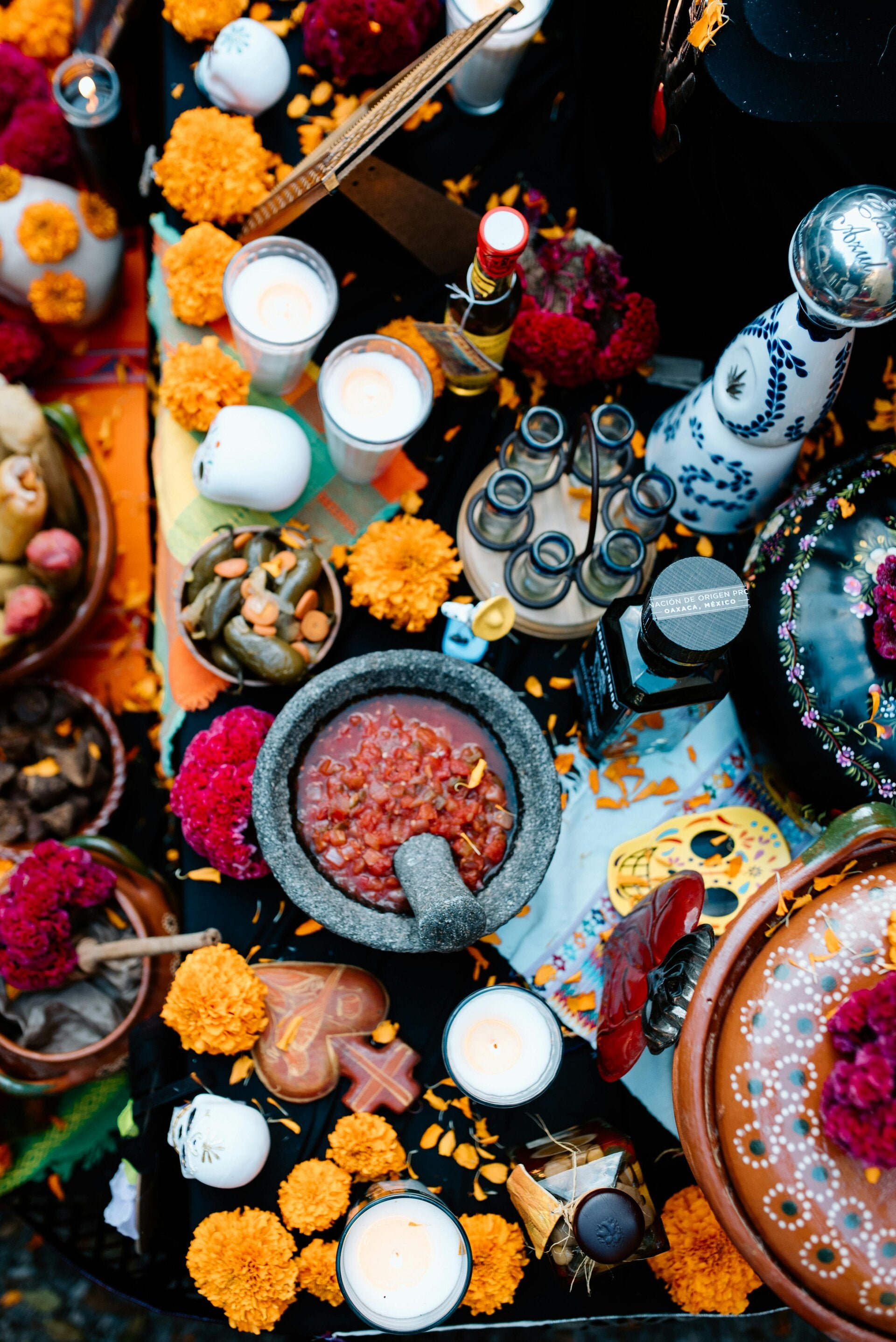
Closing the Loop
Ceremonial cacao brings this exploration full circle — from unconscious sensory influence to conscious, embodied choice.
It reminds us that:
- food is information
- attention is physiological
- and ritual shapes how the body interprets the world
In a consumer-driven culture designed to pull us out of ourselves, somatic seasoning, and cacao in particular offers a way to return.
Not by adding more,
but by listening more closely
to what the body already knows.
Cocoa & the somatic experiences teaches us experience isnt only consumed but a whole mind and body participation.
In a world designed to capture attention, somatic seasoning offers a way to direct it consciously.
When we choose:
- what we eat
- what we hear
- what we see
- how we pause
This is felt body literacy.
This is healing that feels good — and can be shared.
If you have enjoyed this article I encourage you to leave a comment as well as any other interests such as recipes and even your experiences around regulating our body, mind and state of being through culinary and sensory experience. For further reading, sources and other articles are available below.
With Warmth,
Rebecca.
Sources & Further Reading
Nervous System & Somatics
Porges, S. W. (2011). The Polyvagal Theory
Damasio, A. (1999). The Feeling of What Happens
Craig, A. D. (2002). Nature Reviews Neuroscience
Olfaction & Sensory Science
Shepherd, G. M. (2004). The Human Sense of Smell
Herz, R. S. (2004). Chemical Senses
Music & Entrainment
Thaut, M. (2005). Rhythm, Music, and the Brain
Koelsch, S. (2014). Behavioural and Brain Sciences
Quantum Biology
Ball, P. (2011). Nature – Quantum Biology
Brookes, J. C. (2017). Proceedings of the Royal Society A
Cacao & Ritual
McNeil, C. (2006). Chocolate in Mesoamerica
Grivetti & Shapiro (2009). Chocolate: History, Culture, and Heritage
Add comment
Comments